Buy get-hired.eu ?
We are moving the project
get-hired.eu .
Are you interested in purchasing the domain
get-hired.eu ?
domain@kv-gmbh.de · 0541-91531010
Buy get-hired.eu ?
What are raw materials, auxiliary materials, or operating materials?
Raw materials are the basic materials used in the production of goods. They are typically natural resources such as wood, metal, or agricultural products. Auxiliary materials are used to support the production process, such as lubricants, cleaning agents, or packaging materials. Operating materials are the supplies and tools used in the day-to-day operations of a business, such as office supplies, maintenance tools, or safety equipment. These materials are essential for the production and operation of goods and services. **
Is this cover letter okay after the job interview?
Without seeing the cover letter, it's difficult to provide specific feedback. However, a good cover letter after a job interview should express gratitude for the opportunity to interview, reiterate your interest in the position, and highlight specific points from the interview that showcase your qualifications and fit for the role. It should also convey enthusiasm and a strong desire to contribute to the company. Make sure to proofread for any errors and tailor the content to the specific job and company. **


Similar search terms for Materials
Top-Angebote
Products related to Materials:
-
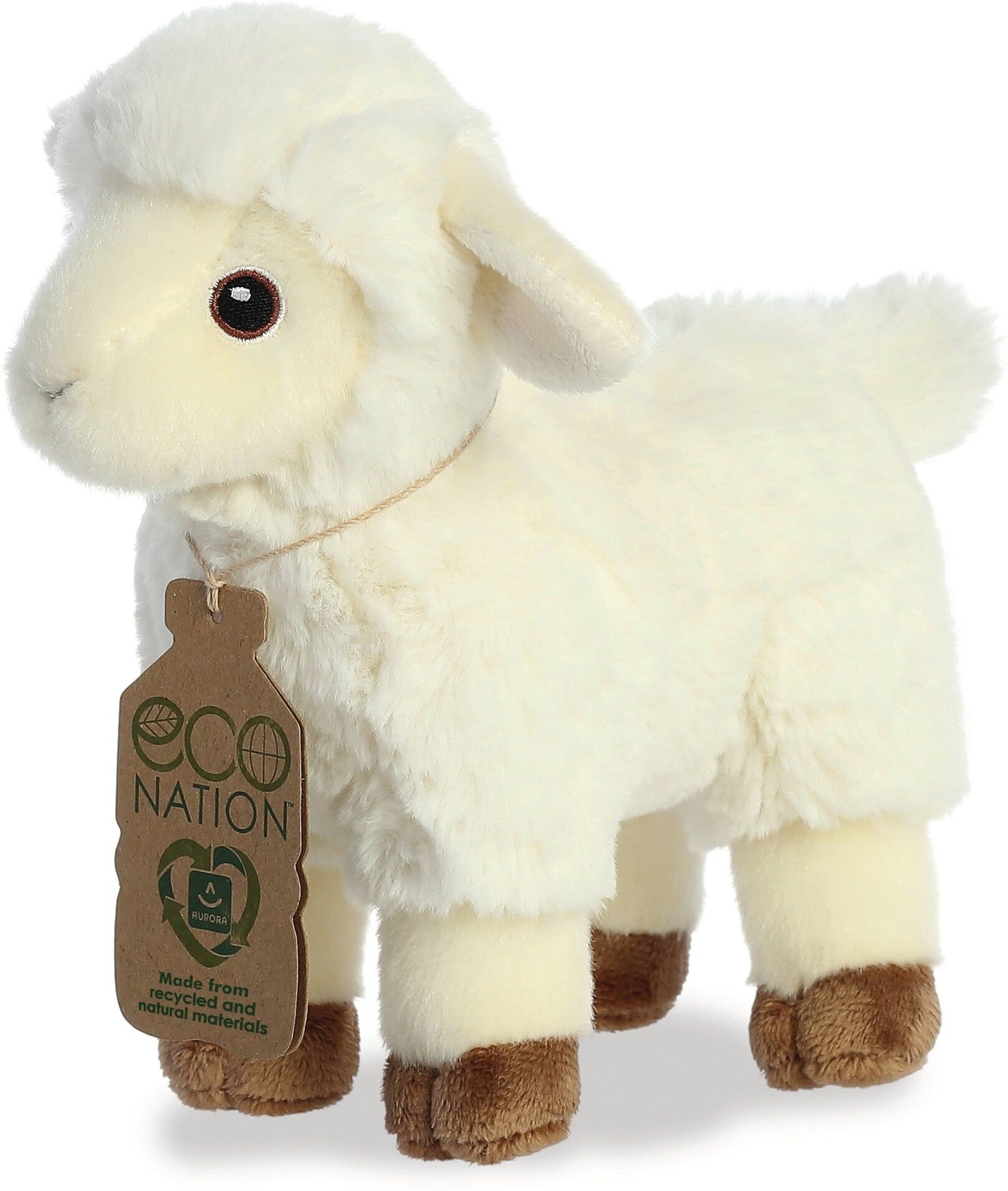
Aurora Eco Nation 8" Plush Lamb, Eco-Friendly Materials, 20cm, for KidsMeet the Eco Nation Lamb Soft Toy by Aurora World, a delightful addition to our eco-friendly range of plush toys. Crafted with care, this lovable lamb is made from recycled plastics and natural materials, embodying our commitment to a sustainable future. Key Features: Eco-Friendly Materials: The plush exterior and fibre fill are crafted from recycled plastics, reducing plastic waste. Embroidered Eyes: Charming embroidered eyes combine safety and eco-consciousness. No plastic beans are used, making it even more environmentally friendly. Generous Size: Measuring 20cm, it's perfect for hugs and companionship. Lovable Lamb Design: The adorable lamb design appeals to all ages. Aurora World Quality: With over 40 years of experience, Aurora World is an industry leader known for innovative and high-quality plush products. The Eco Nation collection embodies our dedication to sustainability.15,02 £*Shipping: 3,95 £Secure redirect to the provider
-
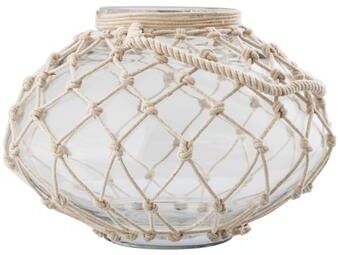
Elk Studio Elk Home Bonita Natural Natural Materials 12 Inch Wide VaseThe Bonita Vase has a low, wide rounded body made of glass which is wrapped loosely with a jute rope in a knotted, open weave pattern. The mouth of the vase features a twisted hute rope handle for easy transport.98,00 $*Shipping: 0,00 $Secure redirect to the provider

-
What is the difference between raw materials, operating materials, and auxiliary materials?
Raw materials are the basic materials used in the production of goods, such as wood, metal, or oil. Operating materials are the materials used in the day-to-day operations of a business, such as office supplies, cleaning supplies, or packaging materials. Auxiliary materials are materials that support the production process but are not directly used in the final product, such as lubricants, solvents, or maintenance supplies. Each type of material plays a different role in the production and operation of a business. **
-
What is the difference between building materials, operating materials, and supplementary materials?
Building materials are used in the construction of a structure, such as wood, concrete, steel, and bricks. Operating materials are items used to maintain and operate a building, like cleaning supplies, light bulbs, and HVAC filters. Supplementary materials are additional items that may not be essential for the structure but can enhance its functionality or aesthetics, such as decorative finishes, landscaping materials, or furniture. **
-
Can someone explain the terms reserve materials, building materials, and operating materials?
Reserve materials are items kept in stock for future use, typically for emergencies or unexpected situations. Building materials are used in the construction or renovation of structures, such as wood, concrete, and steel. Operating materials are supplies necessary for the day-to-day functioning of a business or organization, like office supplies, cleaning products, and maintenance tools. Each term refers to specific types of materials needed for different purposes within a given context. **
-
What is the difference between building materials, operating materials, and auxiliary materials?
Building materials are used in the construction of a structure, such as bricks, concrete, and steel. Operating materials are items used in the day-to-day operations of a building, like cleaning supplies, office supplies, and maintenance tools. Auxiliary materials are additional items that support the functioning of a building, such as lighting fixtures, plumbing fixtures, and HVAC systems. Each type of material serves a specific purpose in the construction and maintenance of a building. **
What is the difference between raw materials, auxiliary materials, operating materials, and goods?
Raw materials are the basic materials used in the production of goods, such as wood for furniture or steel for cars. Auxiliary materials are used to support the production process but do not become part of the final product, like lubricants or cleaning agents. Operating materials are items necessary for the day-to-day functioning of a business, such as office supplies or maintenance tools. Goods are the final products that are produced and sold to customers, such as furniture or cars. **
What are the job prospects in materials engineering?
Job prospects in materials engineering are generally positive, as the field is expected to grow in the coming years. With the increasing demand for new materials in various industries such as aerospace, automotive, and renewable energy, there will be a need for materials engineers to develop and improve these materials. Additionally, as technology continues to advance, there will be opportunities for materials engineers to work on developing new materials for emerging technologies. Overall, the job prospects for materials engineers are promising, especially for those with advanced degrees and specialized skills. **
Top-Angebote
Products related to Materials:
-
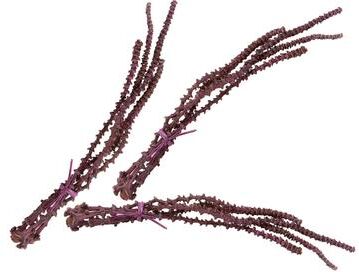
Elk Home Sceptre Black Natural Materials Ornamental AccessoryELK Home offer depth and breadth across a myriad of home furnishing categories with design styles ranging from updated traditional to soft modern. www.elkhome.com. A division of ELK Group International39,50 $*Shipping: 0,00 $Secure redirect to the provider
-
Aurora Eco Nation 8" Plush Lamb, Eco-Friendly Materials, 20cm, for KidsMeet the Eco Nation Lamb Soft Toy by Aurora World, a delightful addition to our eco-friendly range of plush toys. Crafted with care, this lovable lamb is made from recycled plastics and natural materials, embodying our commitment to a sustainable future. Key Features: Eco-Friendly Materials: The plush exterior and fibre fill are crafted from recycled plastics, reducing plastic waste. Embroidered Eyes: Charming embroidered eyes combine safety and eco-consciousness. No plastic beans are used, making it even more environmentally friendly. Generous Size: Measuring 20cm, it's perfect for hugs and companionship. Lovable Lamb Design: The adorable lamb design appeals to all ages. Aurora World Quality: With over 40 years of experience, Aurora World is an industry leader known for innovative and high-quality plush products. The Eco Nation collection embodies our dedication to sustainability.15,02 £*Shipping: 3,95 £Secure redirect to the provider
-
What are raw materials, auxiliary materials, or operating materials?
Raw materials are the basic materials used in the production of goods. They are typically natural resources such as wood, metal, or agricultural products. Auxiliary materials are used to support the production process, such as lubricants, cleaning agents, or packaging materials. Operating materials are the supplies and tools used in the day-to-day operations of a business, such as office supplies, maintenance tools, or safety equipment. These materials are essential for the production and operation of goods and services. **
-
Is this cover letter okay after the job interview?
Without seeing the cover letter, it's difficult to provide specific feedback. However, a good cover letter after a job interview should express gratitude for the opportunity to interview, reiterate your interest in the position, and highlight specific points from the interview that showcase your qualifications and fit for the role. It should also convey enthusiasm and a strong desire to contribute to the company. Make sure to proofread for any errors and tailor the content to the specific job and company. **
-
What is the difference between raw materials, operating materials, and auxiliary materials?
Raw materials are the basic materials used in the production of goods, such as wood, metal, or oil. Operating materials are the materials used in the day-to-day operations of a business, such as office supplies, cleaning supplies, or packaging materials. Auxiliary materials are materials that support the production process but are not directly used in the final product, such as lubricants, solvents, or maintenance supplies. Each type of material plays a different role in the production and operation of a business. **
-
What is the difference between building materials, operating materials, and supplementary materials?
Building materials are used in the construction of a structure, such as wood, concrete, steel, and bricks. Operating materials are items used to maintain and operate a building, like cleaning supplies, light bulbs, and HVAC filters. Supplementary materials are additional items that may not be essential for the structure but can enhance its functionality or aesthetics, such as decorative finishes, landscaping materials, or furniture. **
Similar search terms for Materials
-
Elk Studio Elk Home Bonita Natural Natural Materials 12 Inch Wide VaseThe Bonita Vase has a low, wide rounded body made of glass which is wrapped loosely with a jute rope in a knotted, open weave pattern. The mouth of the vase features a twisted hute rope handle for easy transport.98,00 $*Shipping: 0,00 $Secure redirect to the provider
-
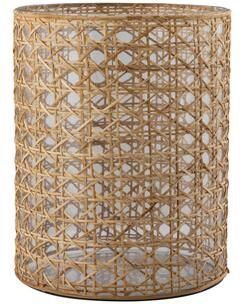
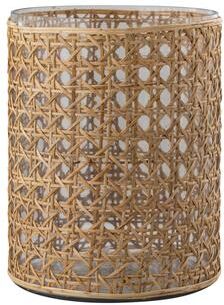
Elk Studio Elk Home Alys Natural Natural Materials 11 Inch Wide VaseThe Alys Large Vase features a wide cylinder of glass wrapped with rattan in a traditional webbed cane pattern. This vase has coastal appeal, and works in a variety of casual settings.150,00 $*Shipping: 0,00 $Secure redirect to the provider
-
Elk Studio Elk Home Alys Natural Natural Materials 9 Inch Wide VaseThe Alys Medium Vase features a wide cylinder of glass wrapped with rattan in a traditional webbed cane pattern. This vase has coastal appeal, and works in a variety of casual settings.98,00 $*Shipping: 0,00 $Secure redirect to the provider
-
Can someone explain the terms reserve materials, building materials, and operating materials?
Reserve materials are items kept in stock for future use, typically for emergencies or unexpected situations. Building materials are used in the construction or renovation of structures, such as wood, concrete, and steel. Operating materials are supplies necessary for the day-to-day functioning of a business or organization, like office supplies, cleaning products, and maintenance tools. Each term refers to specific types of materials needed for different purposes within a given context. **
-
What is the difference between building materials, operating materials, and auxiliary materials?
Building materials are used in the construction of a structure, such as bricks, concrete, and steel. Operating materials are items used in the day-to-day operations of a building, like cleaning supplies, office supplies, and maintenance tools. Auxiliary materials are additional items that support the functioning of a building, such as lighting fixtures, plumbing fixtures, and HVAC systems. Each type of material serves a specific purpose in the construction and maintenance of a building. **
-
What is the difference between raw materials, auxiliary materials, operating materials, and goods?
Raw materials are the basic materials used in the production of goods, such as wood for furniture or steel for cars. Auxiliary materials are used to support the production process but do not become part of the final product, like lubricants or cleaning agents. Operating materials are items necessary for the day-to-day functioning of a business, such as office supplies or maintenance tools. Goods are the final products that are produced and sold to customers, such as furniture or cars. **
-
What are the job prospects in materials engineering?
Job prospects in materials engineering are generally positive, as the field is expected to grow in the coming years. With the increasing demand for new materials in various industries such as aerospace, automotive, and renewable energy, there will be a need for materials engineers to develop and improve these materials. Additionally, as technology continues to advance, there will be opportunities for materials engineers to work on developing new materials for emerging technologies. Overall, the job prospects for materials engineers are promising, especially for those with advanced degrees and specialized skills. **
* All prices are inclusive of VAT and, if applicable, plus shipping costs. The offer information is based on the details provided by the respective shop and is updated through automated processes. Real-time updates do not occur, so deviations can occur in individual cases. ** Note: Parts of this content were created by AI.